One of the most common questions we’re asked at Back On Track Healthcare is whether an injury should be treated with ice or heat. The answer isn’t always straightforward, as each has its own role in recovery.
Knowing when to use cold and when to use heat can help reduce pain, support healing and prevent your symptoms from getting worse.
When Should You Use Ice?
Cold therapy is most effective during the early stages of an injury.
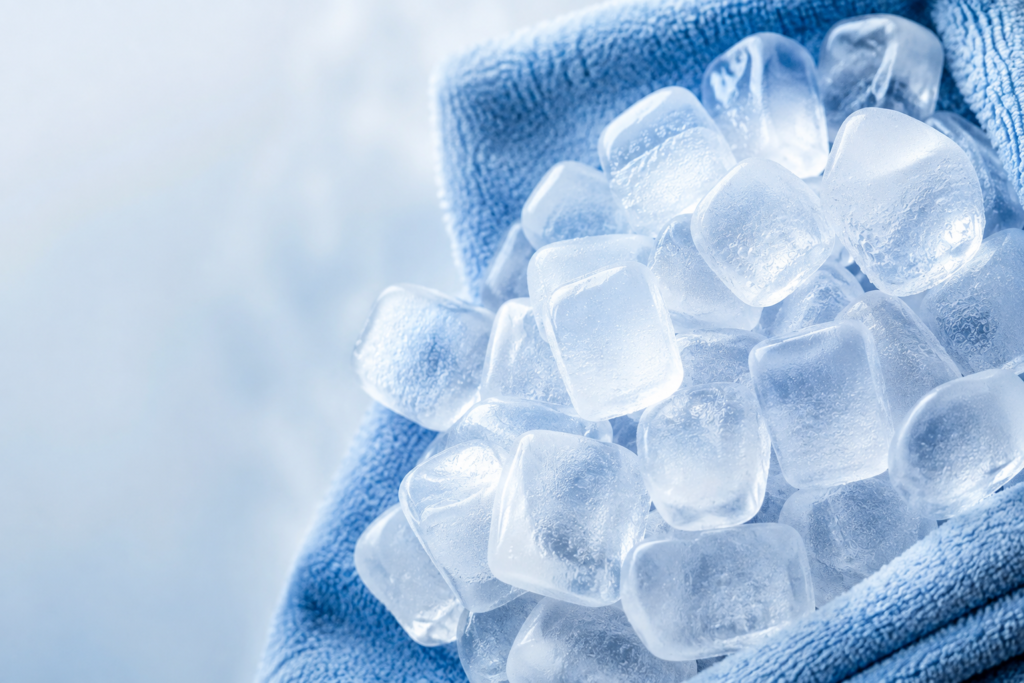
Applying an ice pack causes the blood vessels to narrow (vasoconstriction), helping to reduce swelling, inflammation and pain. Ice also has a natural numbing effect, making it particularly useful for managing acute injuries.
If you’ve recently twisted an ankle, pulled a muscle, suffered a knock during sport or experienced a sudden flare up of pain, reaching for the frozen peas is often the right first step. There’s a reason sports first aiders and parents always seem to have an ice pack ready.
How to Ice an Injury Safely
You don’t need expensive equipment. A reusable ice pack or even a bag of frozen peas works perfectly, especially as frozen peas mould comfortably around awkward areas such as elbows, knees and ankles.
Never place ice directly onto the skin, as this can cause cold burns. Instead, wrap the ice pack in a damp towel or cloth. The moisture helps transfer the cold more effectively while protecting your skin.
Apply ice for 10 to 20 minutes at a time. During the first 24 to 48 hours following an injury, repeating this every one to two hours can help minimise swelling and discomfort.
During this initial period, avoid using heat. Although warmth often feels comforting, it increases blood flow and may worsen inflammation immediately after an injury.
When is Heat the Better Choice?
Heat is generally more beneficial once the initial inflammatory phase has settled, or when treating long standing muscle tightness and stiffness.
Applying warmth encourages blood flow, helping deliver oxygen and nutrients to the affected tissues while relaxing tight muscles and reducing stiffness.
Many people find heat particularly effective for:
- Persistent muscle tension
- Long term neck or back pain
- Muscle spasms
- General stiffness
- Preparing muscles before gentle stretching
Hot water bottles, microwaveable wheat bags and heat patches are all suitable options. The key is to use gentle, comfortable warmth, not excessive heat. Hotter isn’t better and can increase the risk of burns.
When Should You Avoid Heat?
Heat isn’t suitable for every situation.
Avoid applying heat if you have:
- A fresh injury within the first 48 hours
- Open wounds
- Active bleeding
- Swelling
- Areas that are oozing fluid
You should also take extra care if you have reduced sensation or circulation, including conditions such as:
- Diabetes
- Multiple sclerosis (MS)
- Spinal cord injuries
- Rheumatoid arthritis
- Peripheral vascular disease
If you’re unable to accurately judge temperature, heat can increase the risk of skin damage.
Can You Use Both?
Yes. In some situations your osteopath may recommend contrast therapy, where heat and cold are alternated.
Typically, this involves a few minutes of cold followed by a few minutes of heat, repeated several times.
The rapid changes in temperature encourage blood vessels to alternately constrict and dilate, which may help improve local circulation and support recovery.
Contrast therapy isn’t appropriate for everyone, so always follow the advice of your healthcare professional before trying it.
Our Advice
Every injury is different, which is why there’s no single answer that suits every situation.
As a general guide:
- Use ice for new injuries, swelling and inflammation during the first 48 hours.
- Use heat for persistent muscle tightness, stiffness and longer term aches.
- Avoid heat immediately after an injury.
- If you’re unsure, ask your osteopath or physiotherapist before starting treatment.
At Back On Track Healthcare, our experienced osteopaths and physiotherapists assess every injury individually and will advise you on the most appropriate approach for your recovery.
If you’re struggling with pain, stiffness or a recent injury, we’re here to help you recover safely and get back to doing the things you enjoy.